









Il verme e il ragno is the personal exhibition of the artist Andrea d’Amore. It revolves around the transformative potential of visual and culinary matters, through a research process of and a practice dedicated to the care and creation of convivia.

Conceived for – and taking place within – the spaces of Villa Aldobrandini Banchieri Rospigliosi in Prato, the exhibition evokes a fairy-tale and symbolic atmosphere, which sees in the worm a representation of metamorphosis, while in the forms of the spider an allegory of reception, the two respectively associated to masculinity and feminine as archetypes.
The exhibition project, which brings together works from the last 4 years and new productions, is located in heterogeneous environments, following the alchemic processes of solvency and coagulation, in an attempt to immerse oneself in an archetypal fluid dimension and sabotage social binarisms.
Solvency is the dissolution of the substance solidified over time, and represents the psychological processing of a crystallized past: the intention is to forget what has been learned throughout life. This disposition to unlearn is used and verified by the artist in the video Un mondo senza nome shot by identifying himself as an individual who wakes up in a world of which he is the first human inhabitant, but where all the objects created throughout mankind’s history already exist. However, those objects do not have names yet. Together with the ceramic sculpture Limoni, which transforms some citrus lemons into an ergonomic wearable prosthesis with a phallic shape, the two works shed light on the forms of identity and the relationship between action and reception.


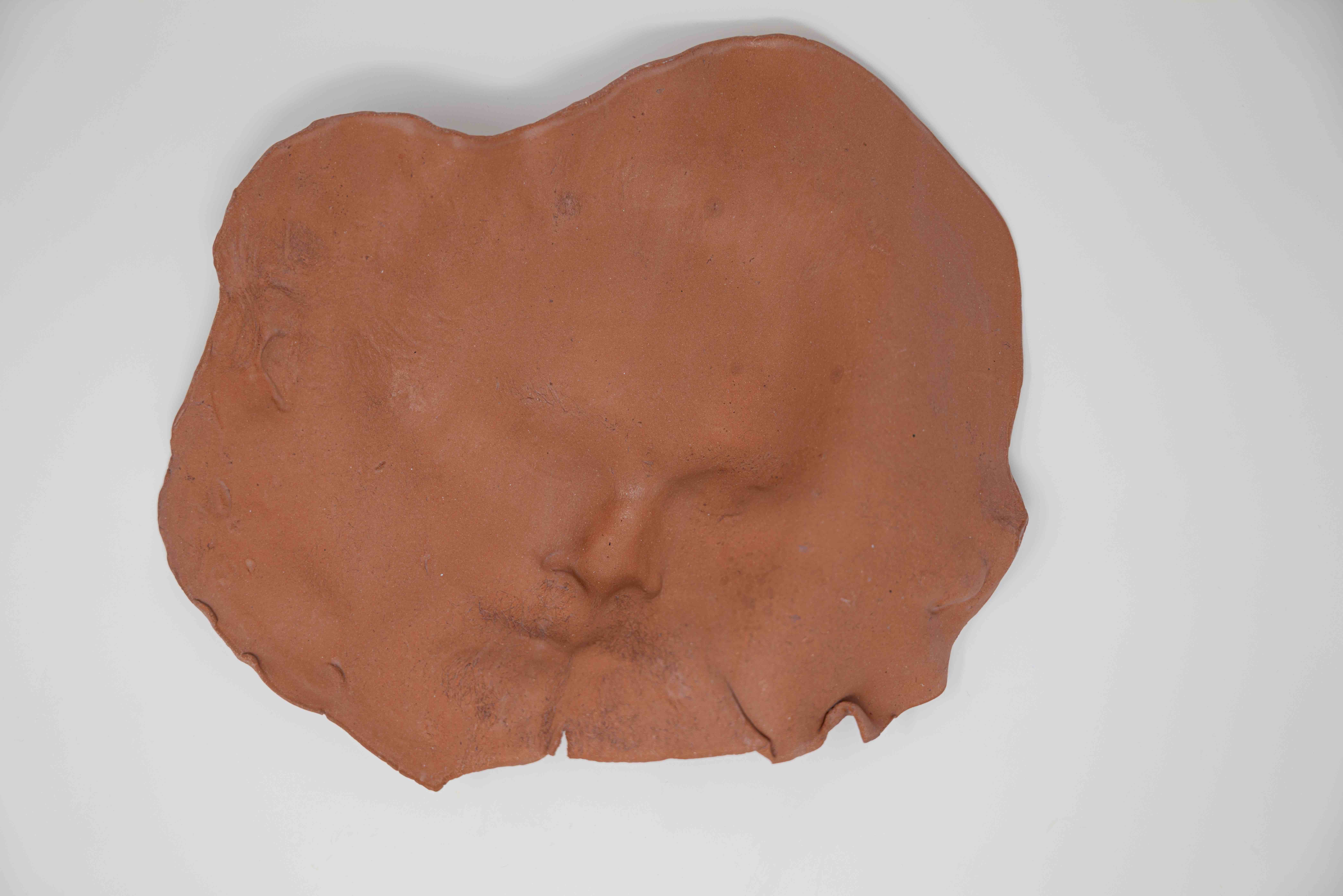
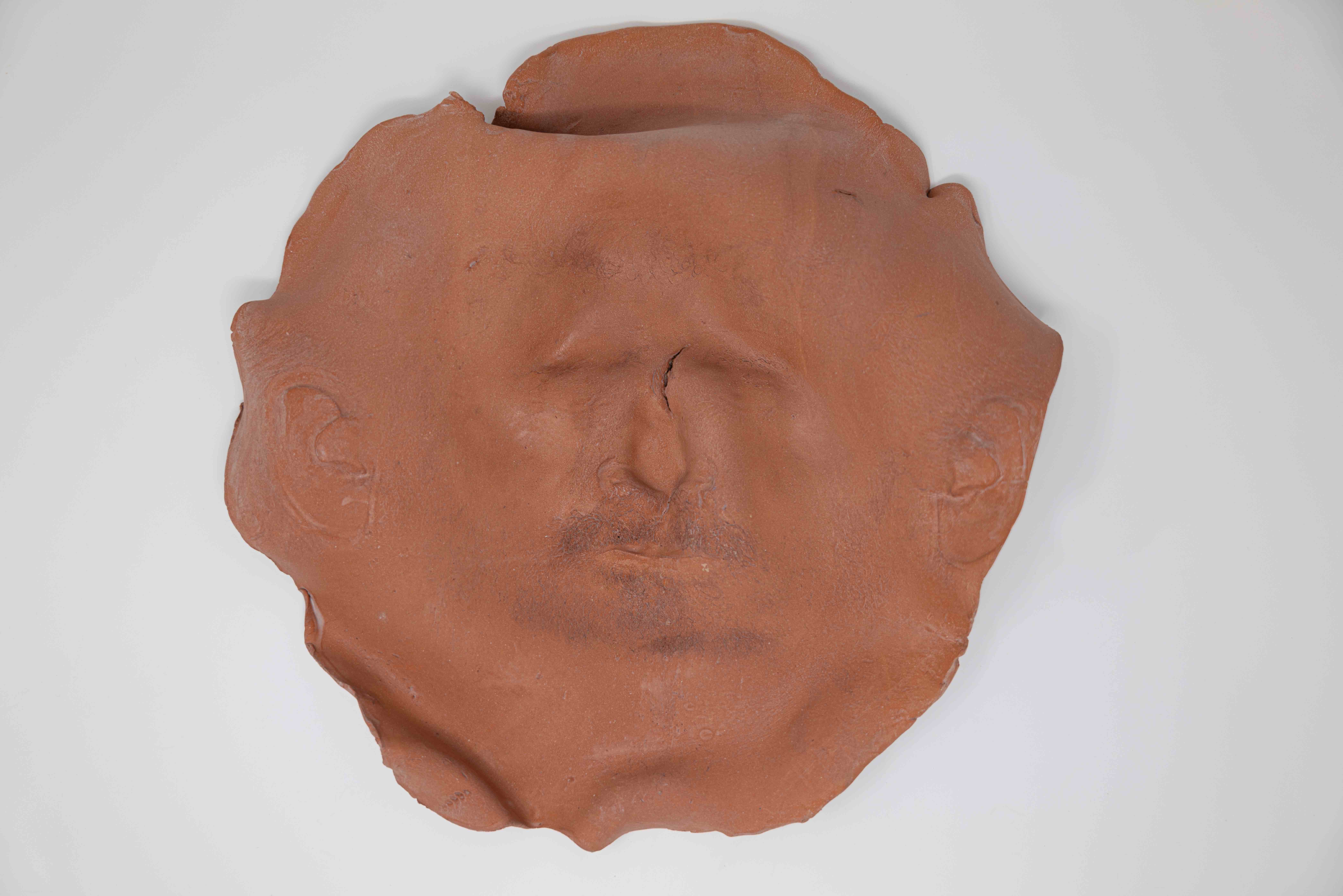
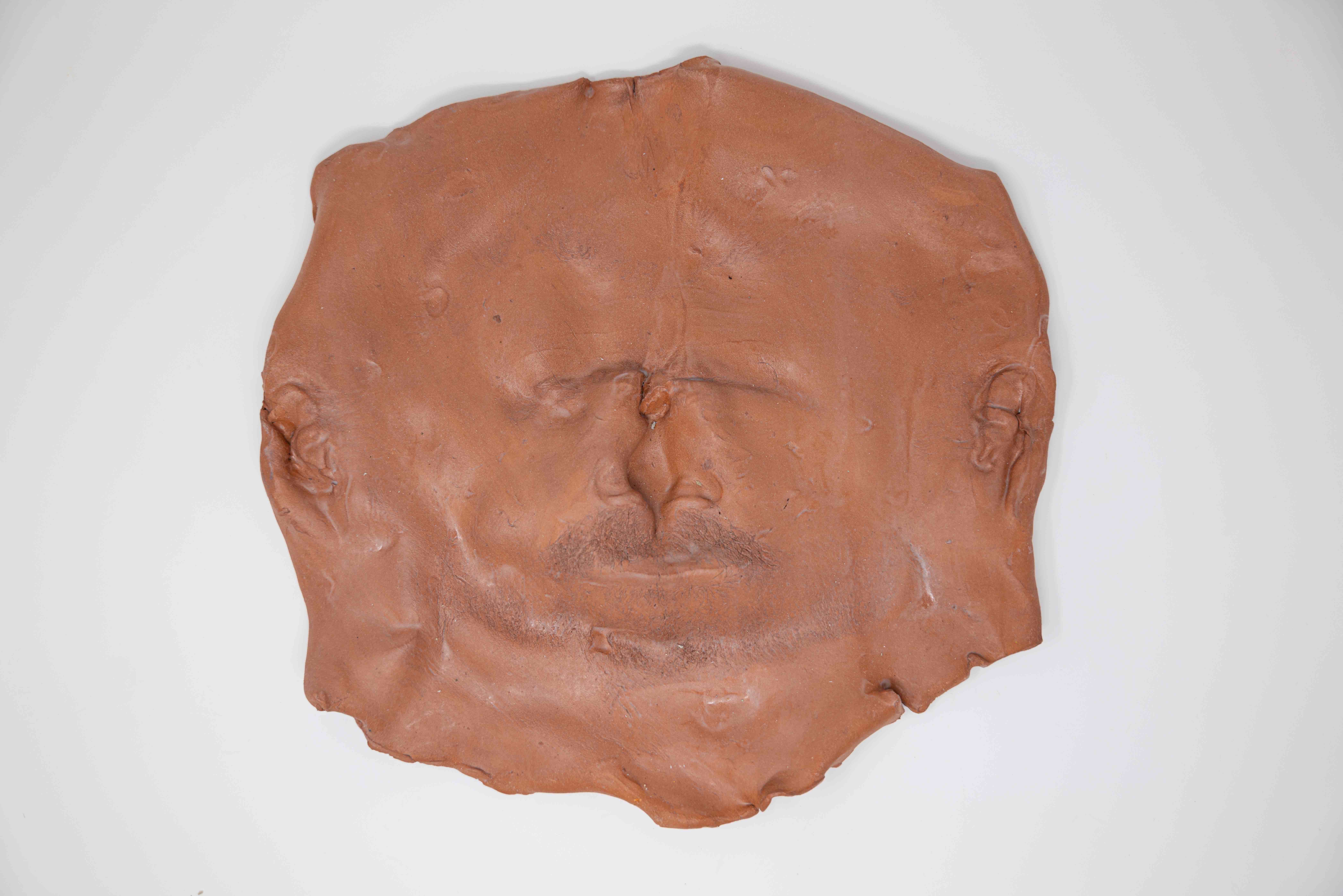
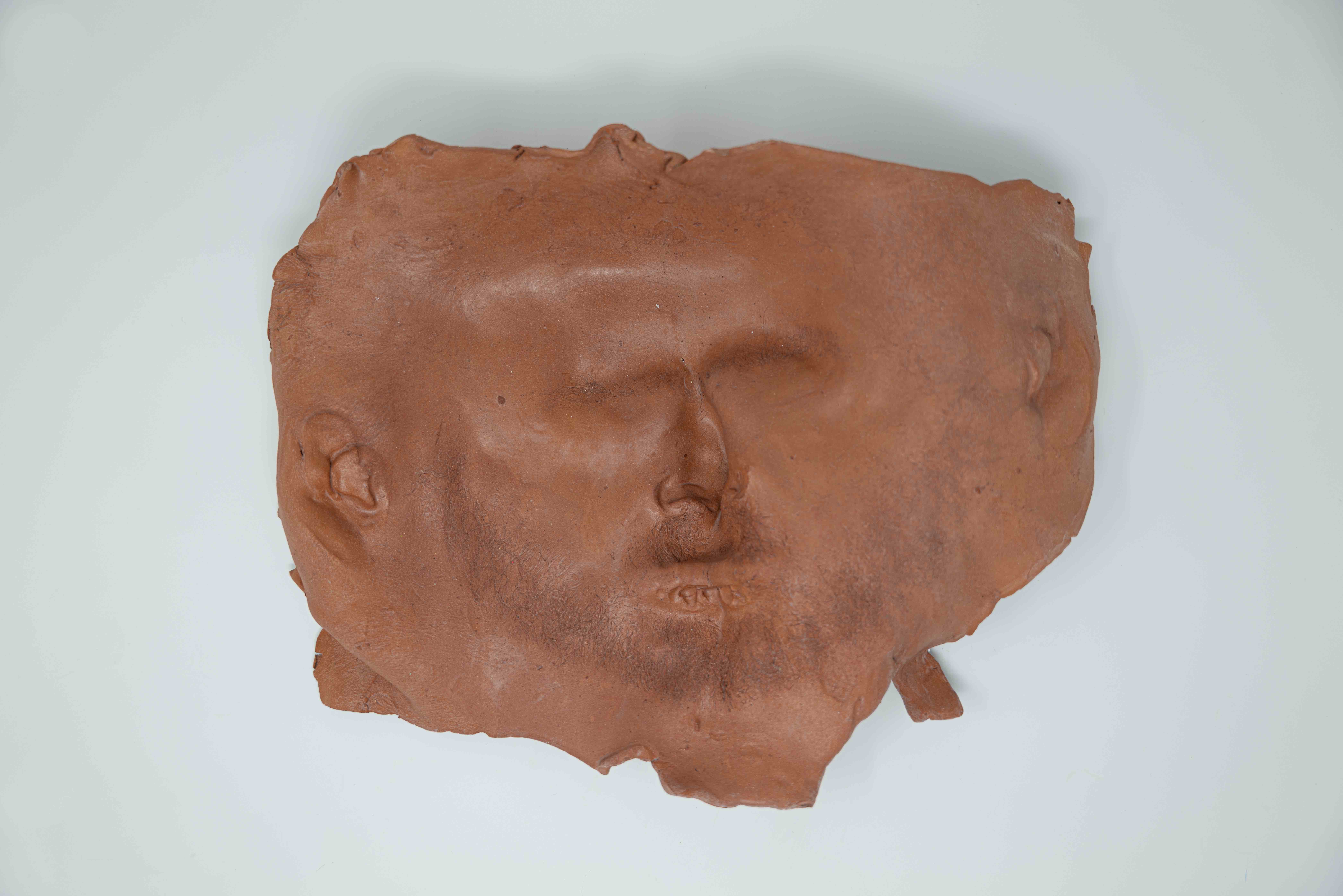
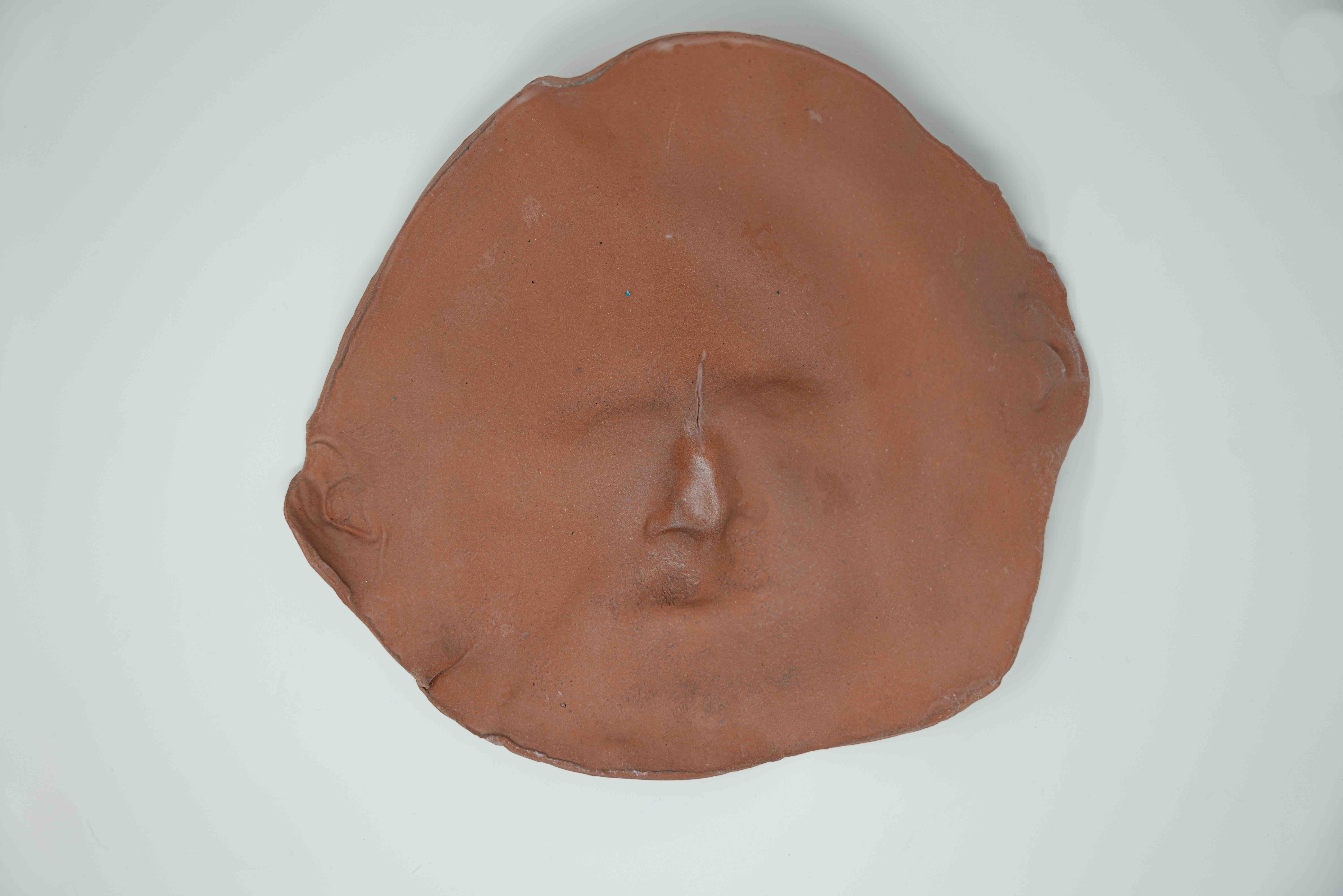
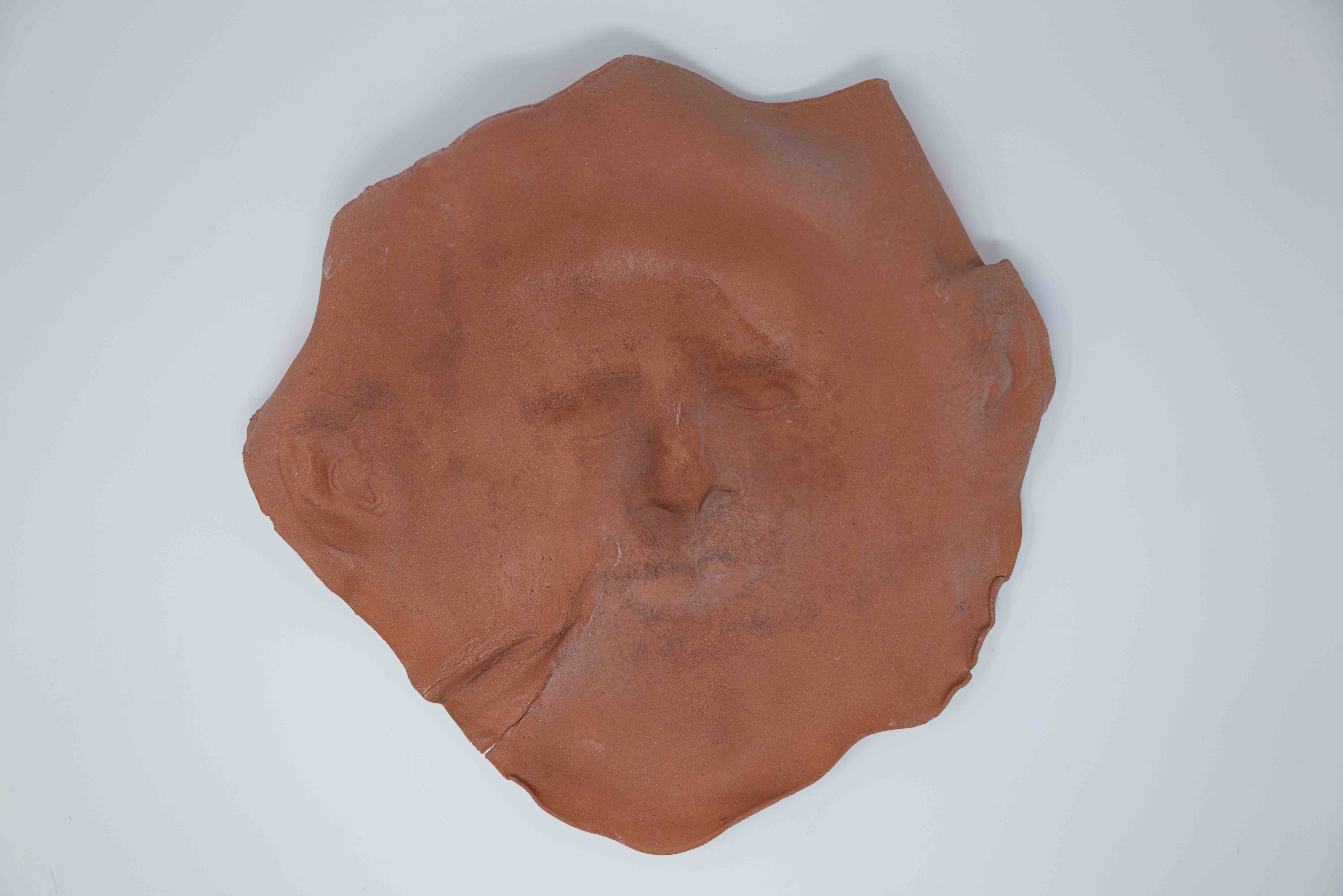
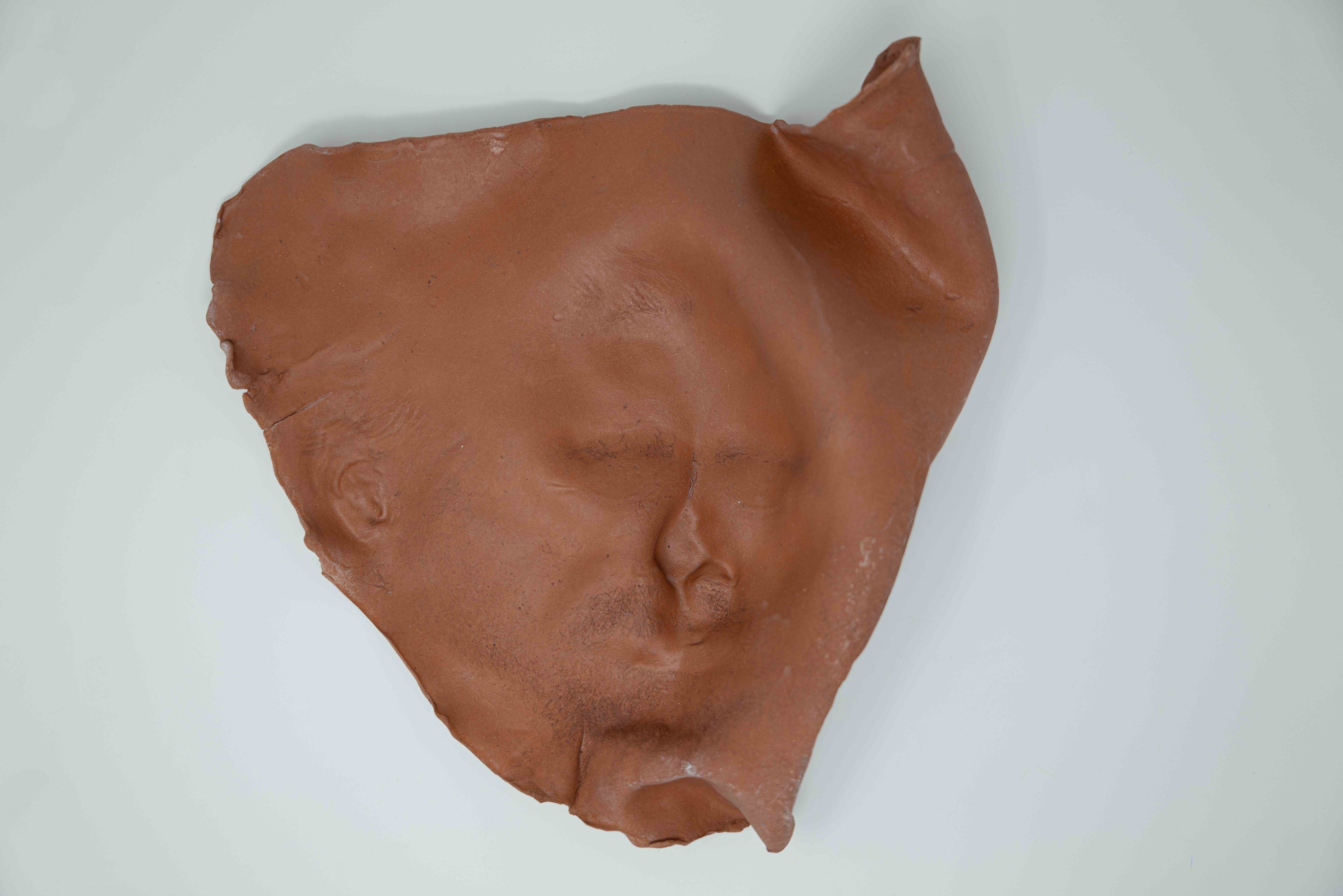
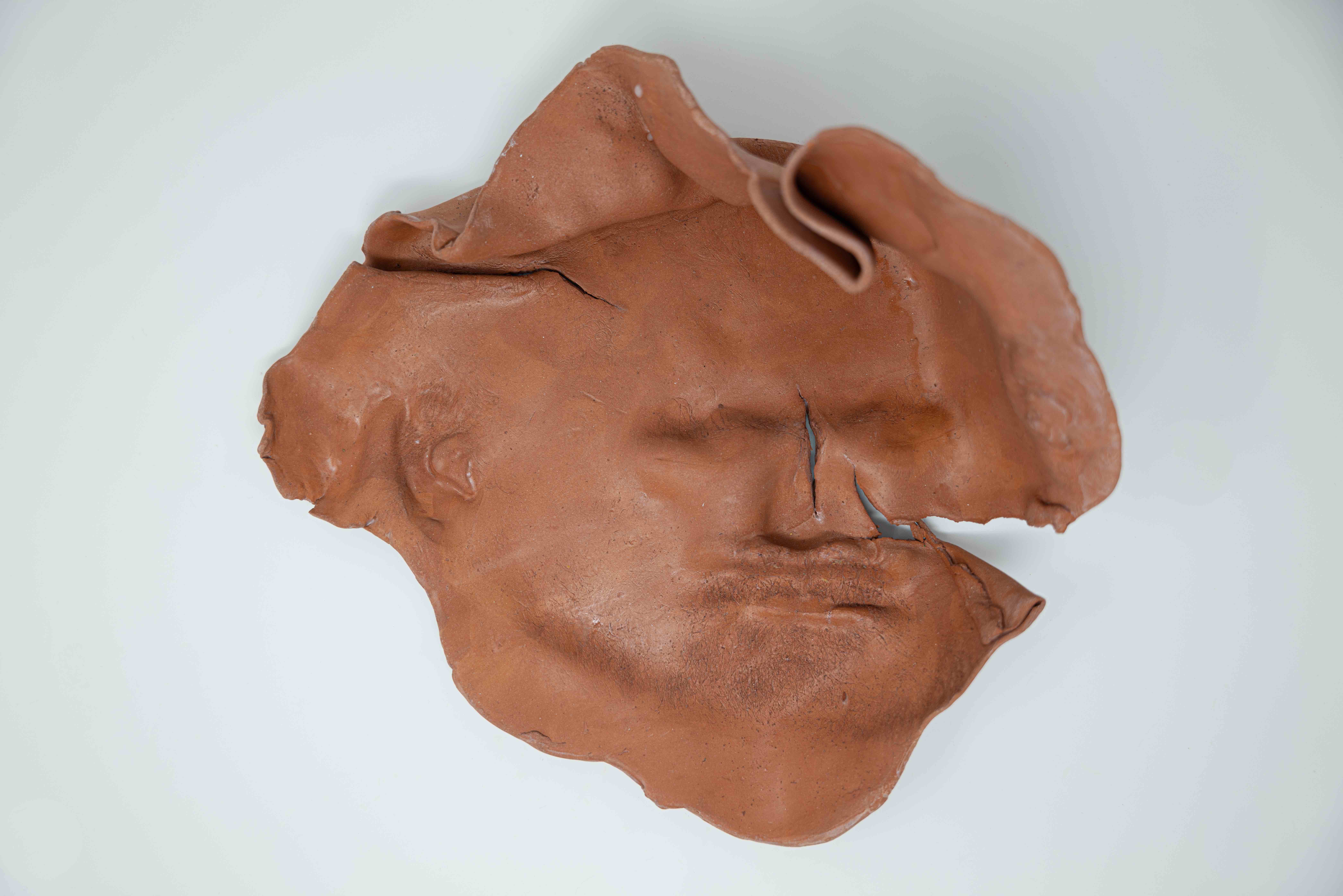
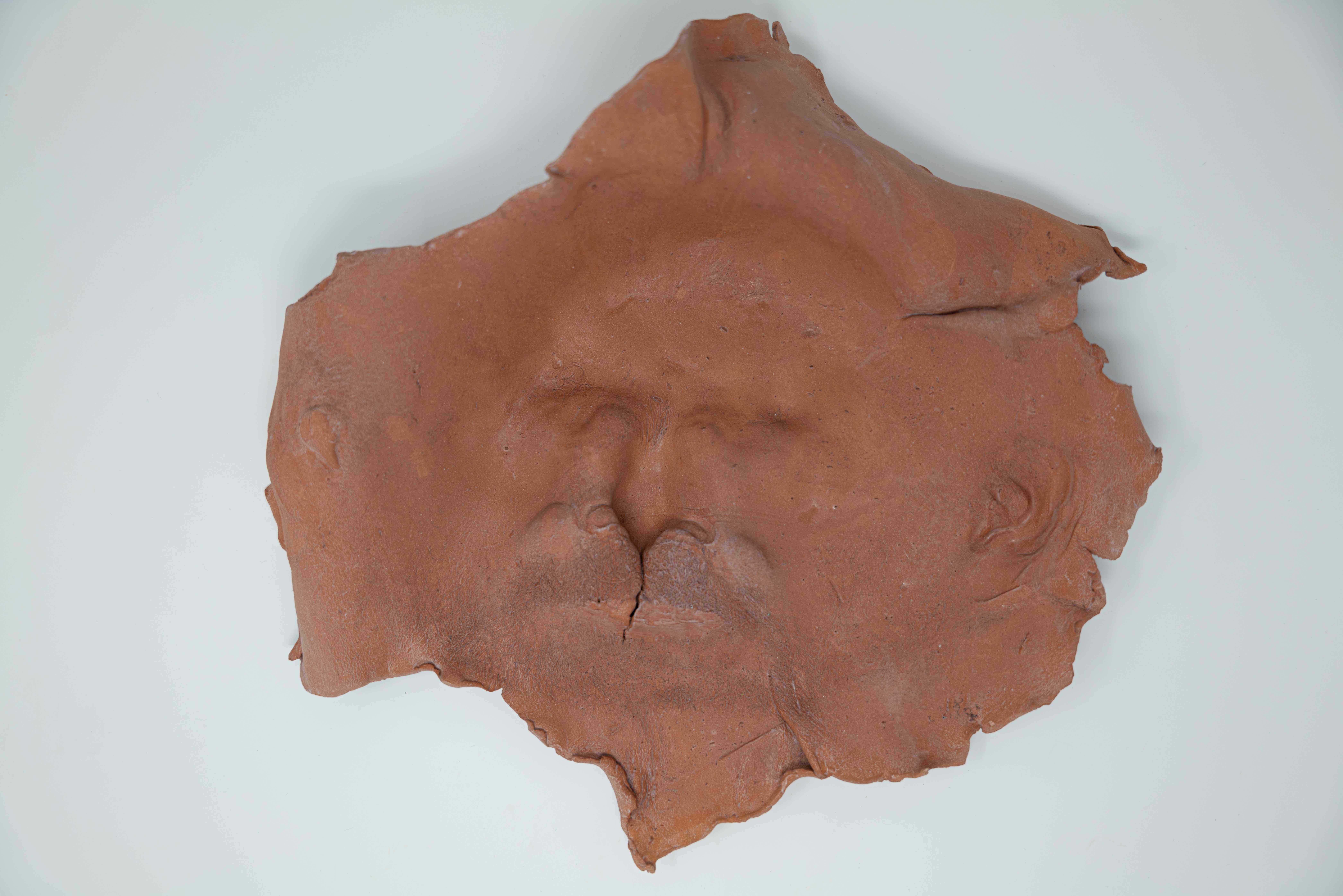
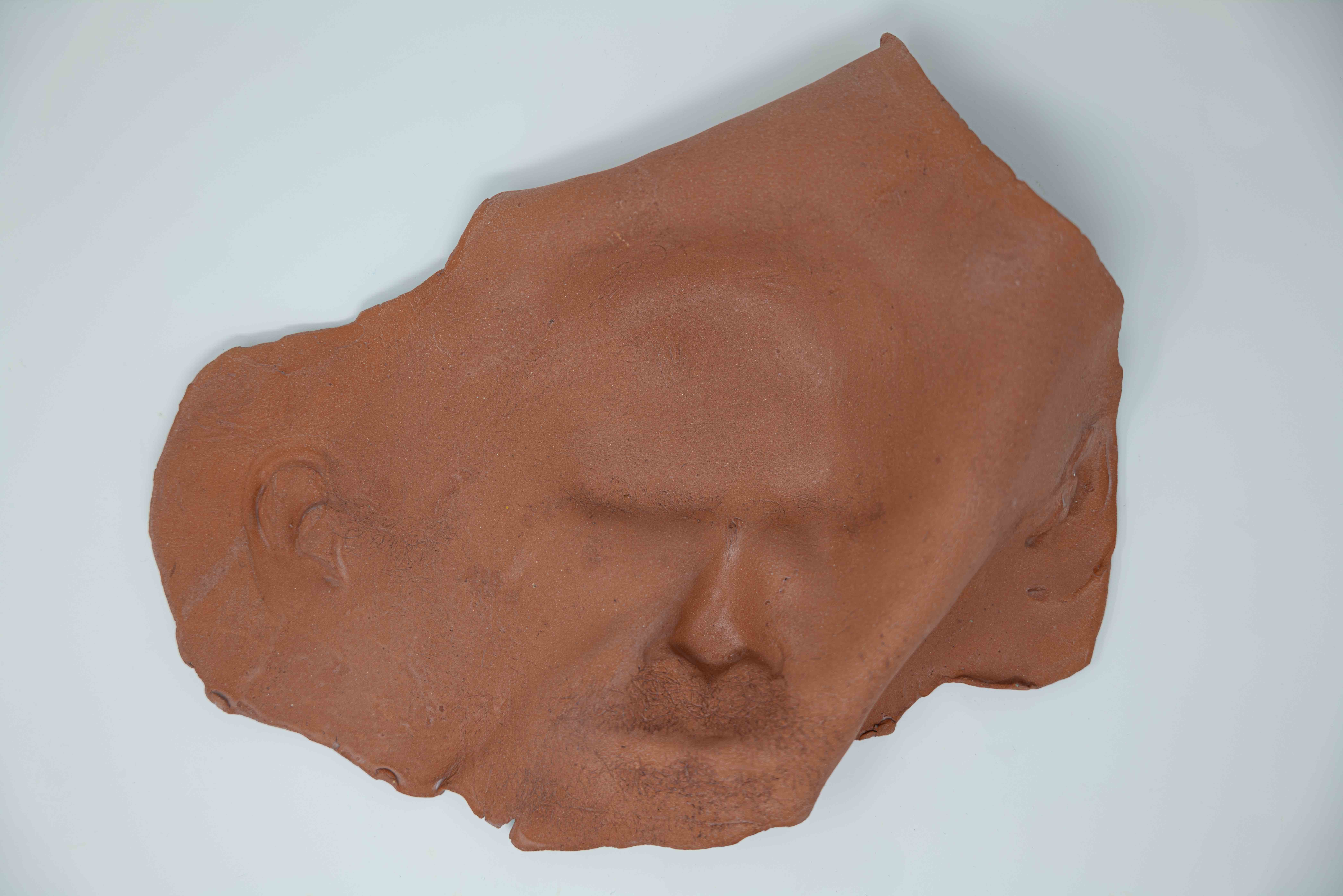
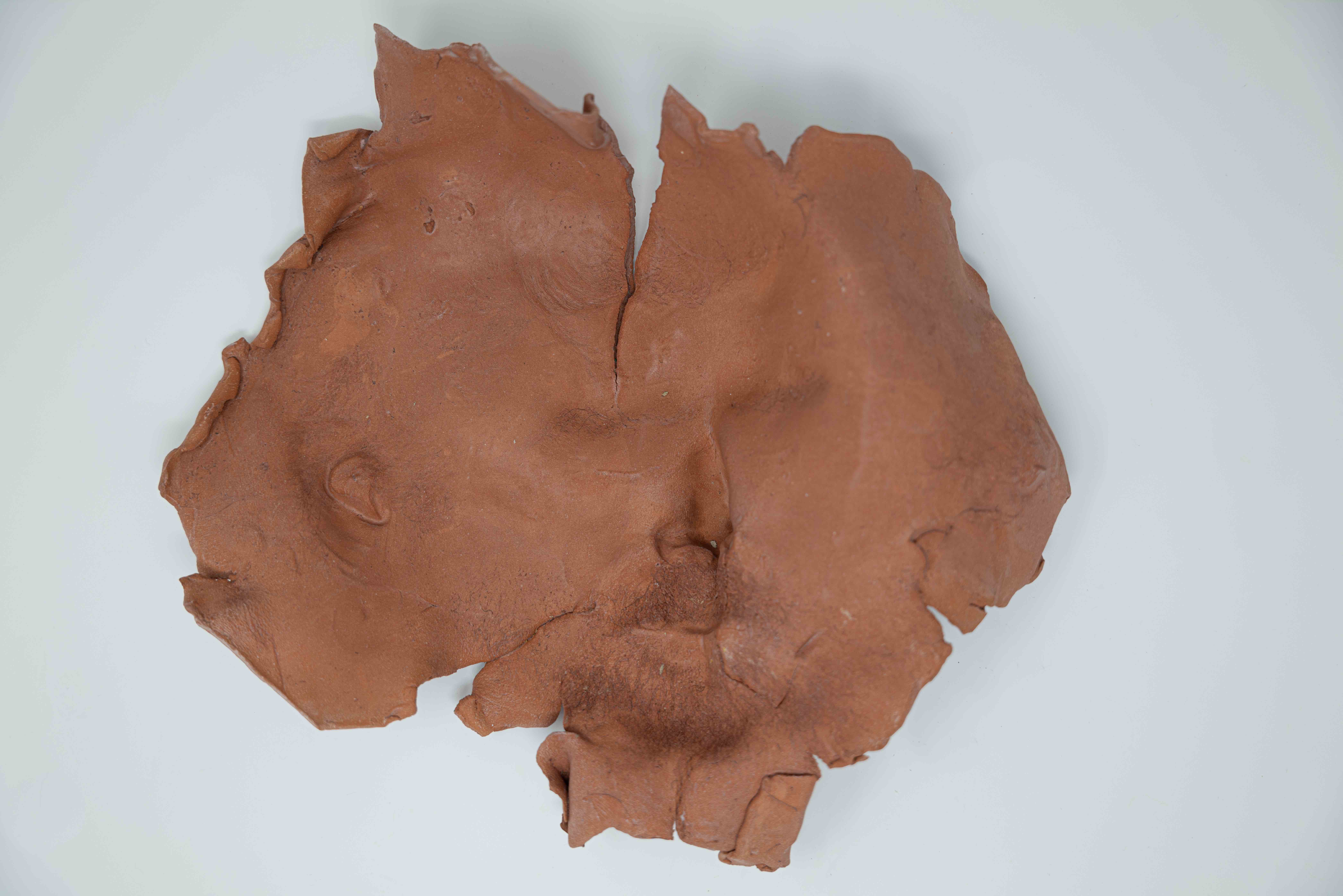
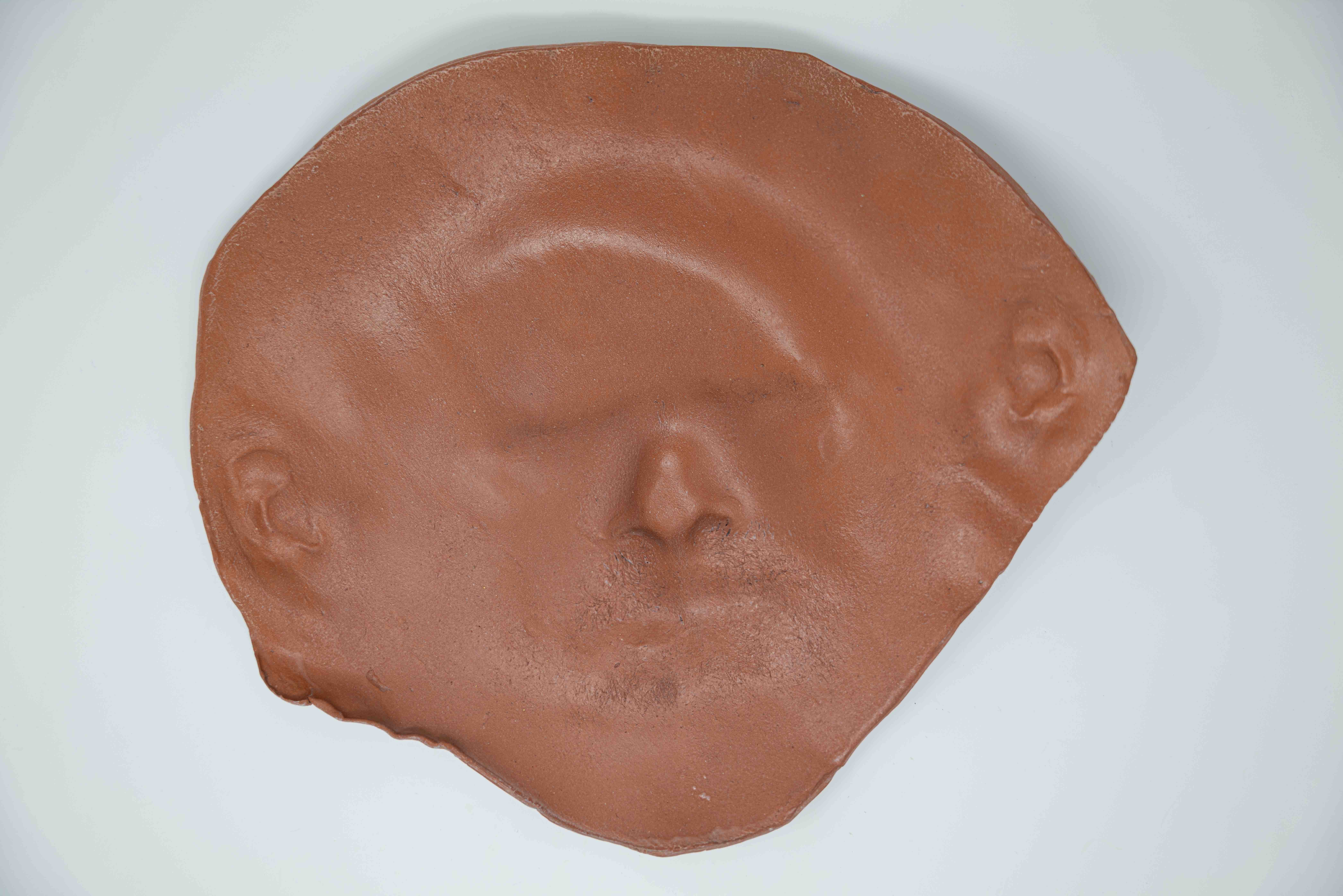
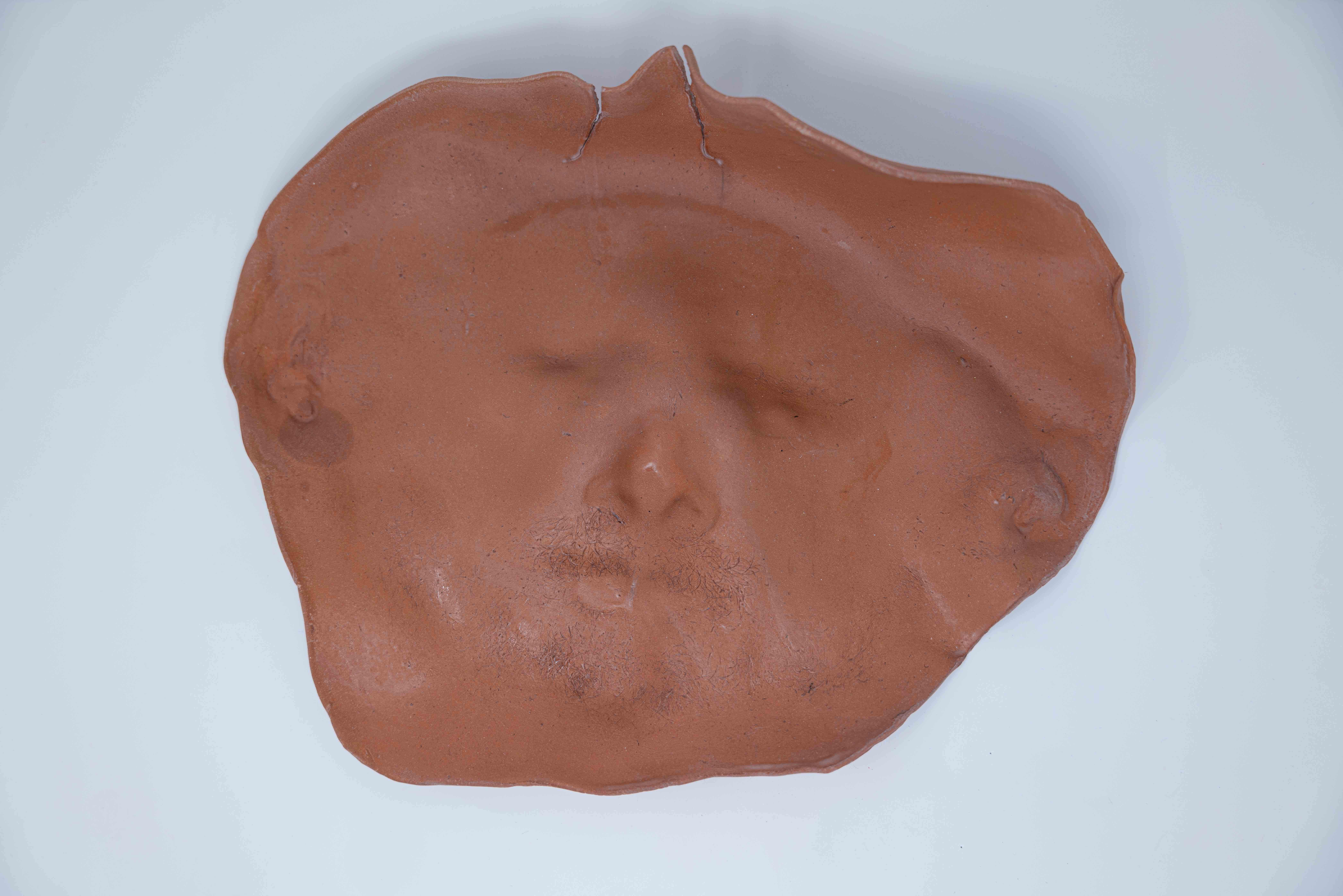
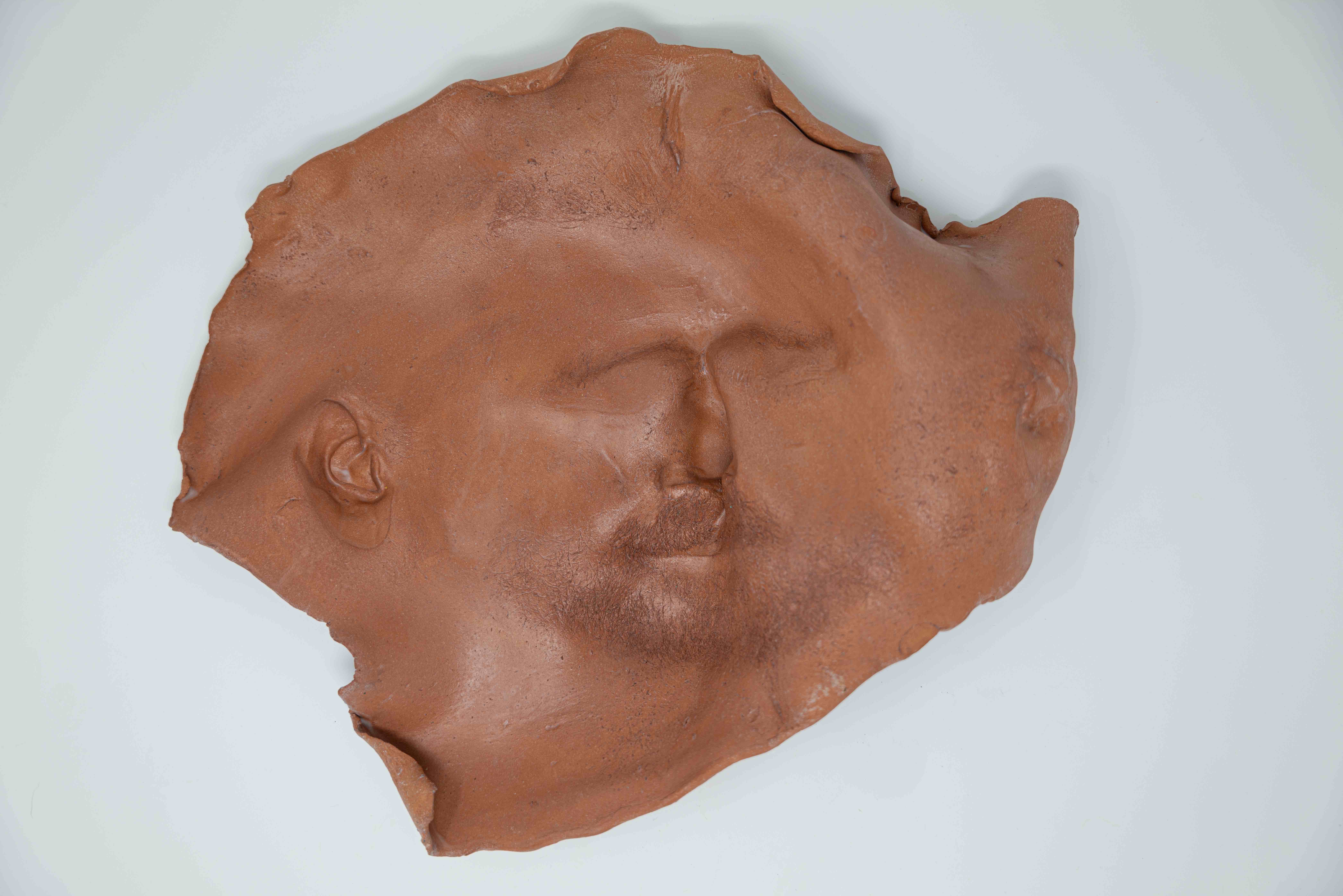
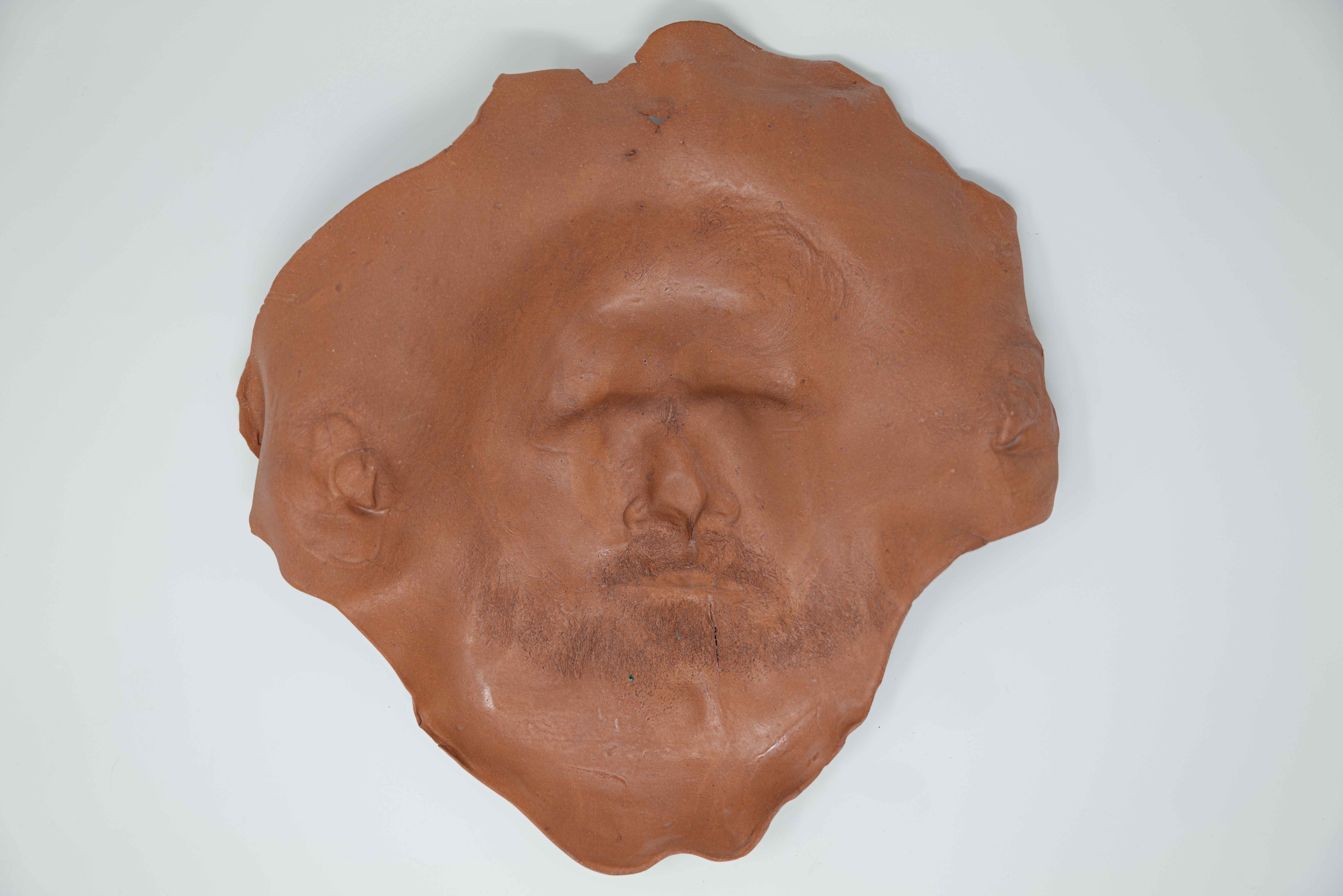
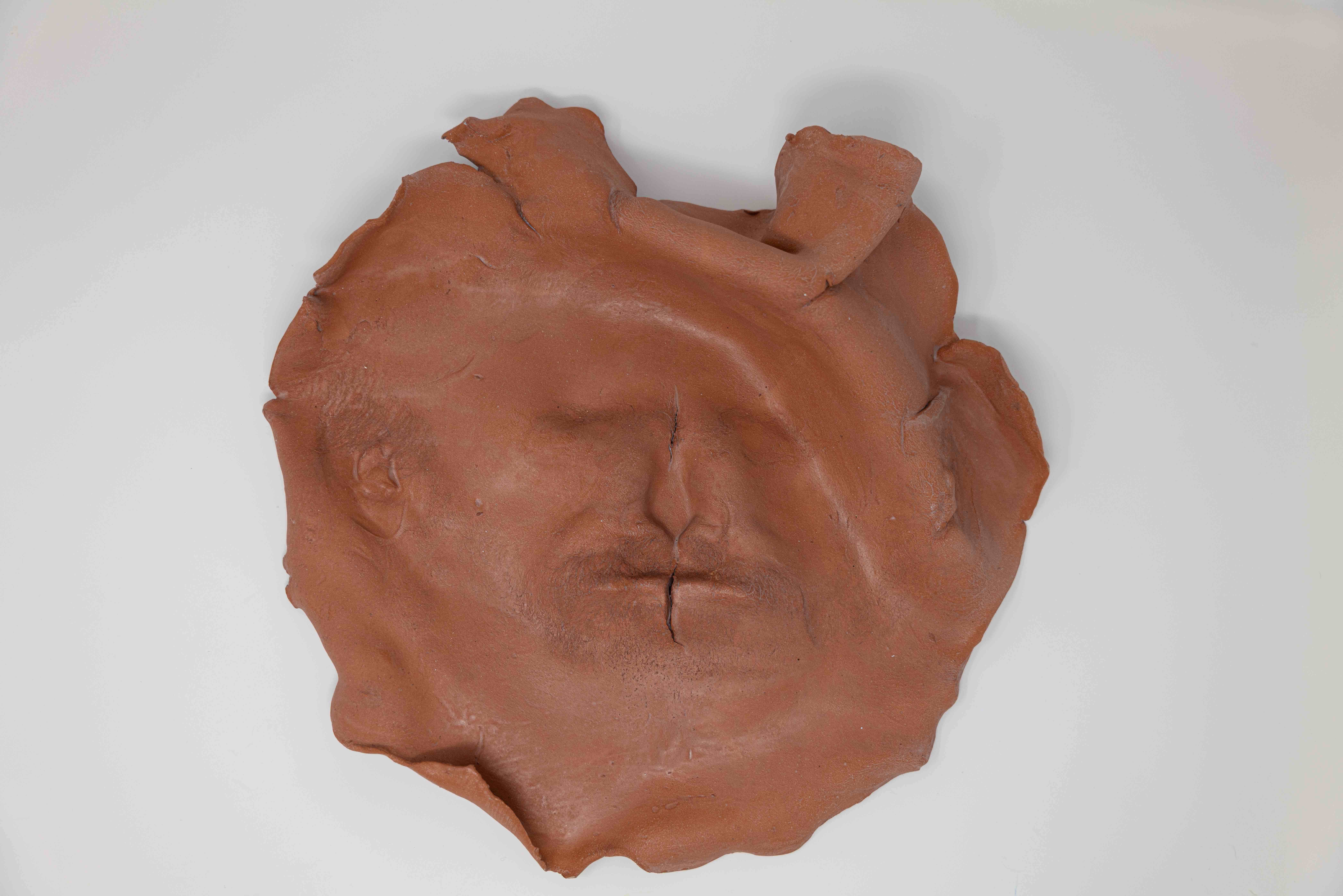
Coagulation follows solvency and manifests itself as the reorganisation of a disintegrated and perpetually-evolving identity. d’Amore will present a table laid and set with terracotta dishes modelled on the cast of his own face. The dishes will be cooked in 9 pots produced by the artist; they represent – together with the low-relief lids painted with scenes taken from the history of art and mythology – the conflictual knots of the relationships with family descent. After the convivium, the pots and lids will be installed in the space until they take on the shapes of a sculptural totem that alludes to the artist’s family tree.
The performative attitude of the project allows us to stage the transmutation of the organic and to access a time close to the sensitive flavour rather than a purely rational knowledge, that is to say to symbols bordering the ambiguous and meanings in disguise.
Matteo Binci
 Andrea d'Amore